THE CAUCE EXPERIENCE
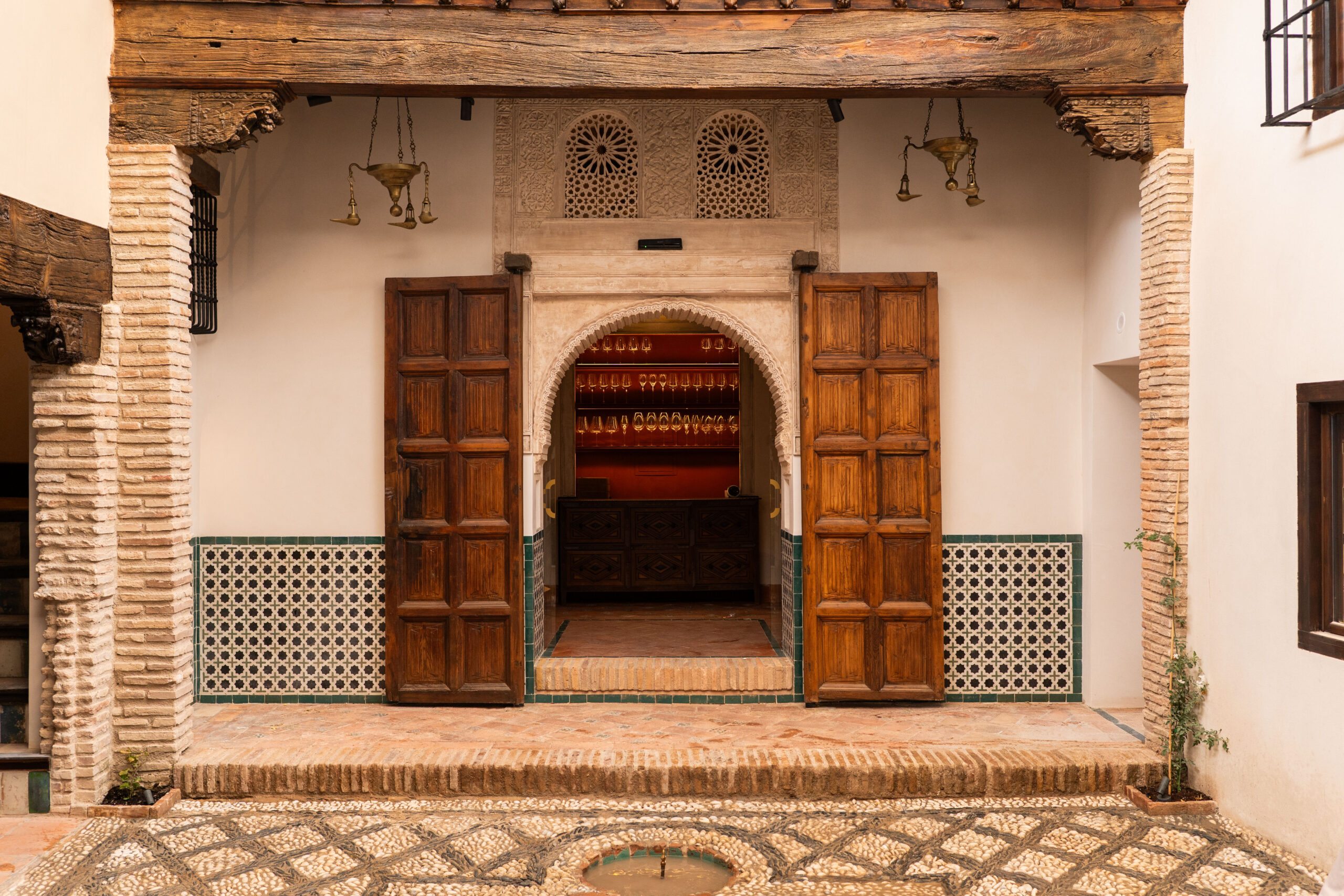
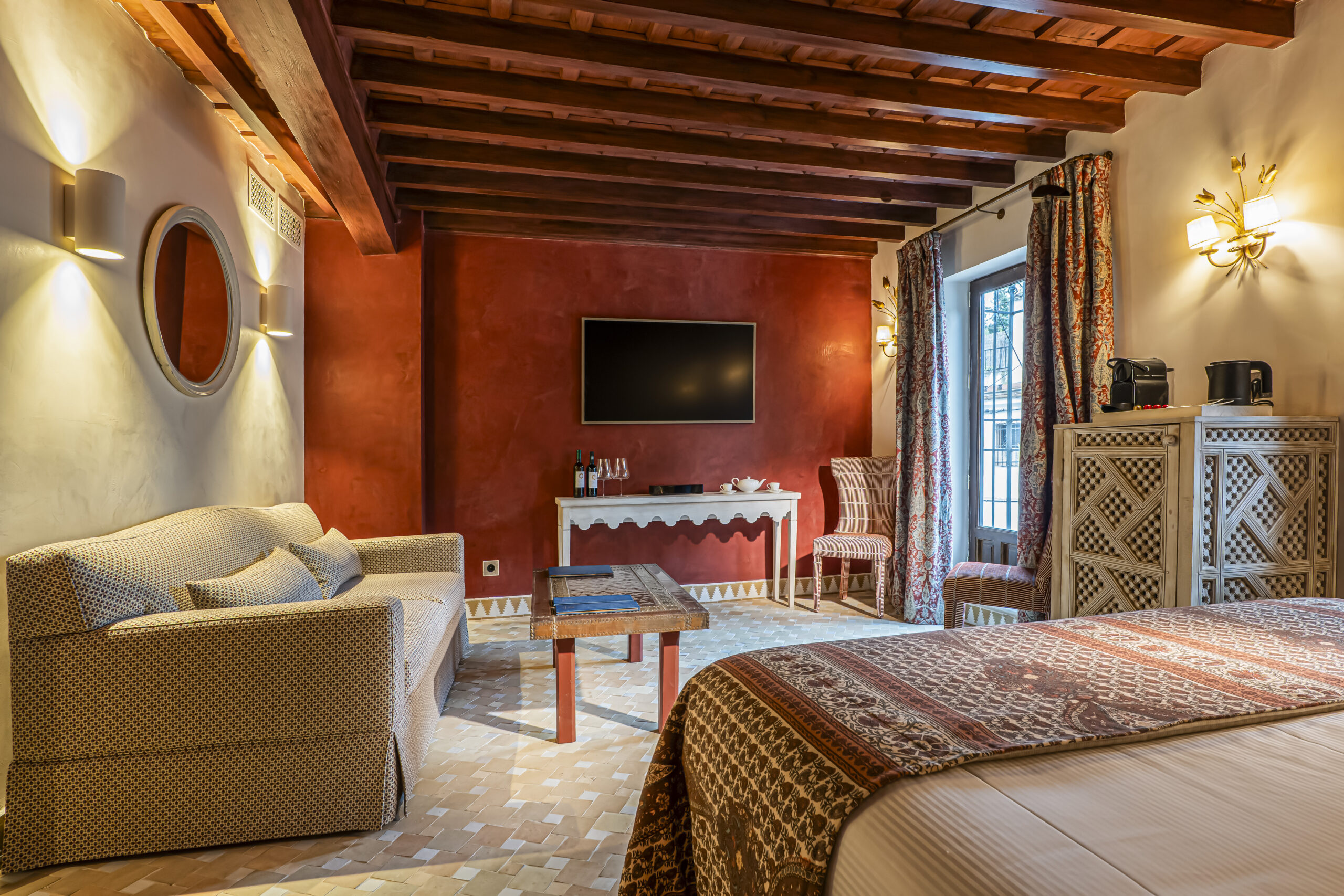
Cauce is not a restaurant that was built. It is a restaurant that digs into history. The complex occupies four historic buildings in the heart of the Albayzín: a 13th-century Nasrid house, a 16th-century Morisco dwelling, a 17th-century house, and a carmen. Eight hundred years of matter restored element by element, with artisanal techniques that respect every layer of the original.
The sound of water reaches you before you reach the table. In the Albayzín, the Nasrid acequias carried time measured in currents for centuries. At Cauce, that sound still comes first.
The cooking
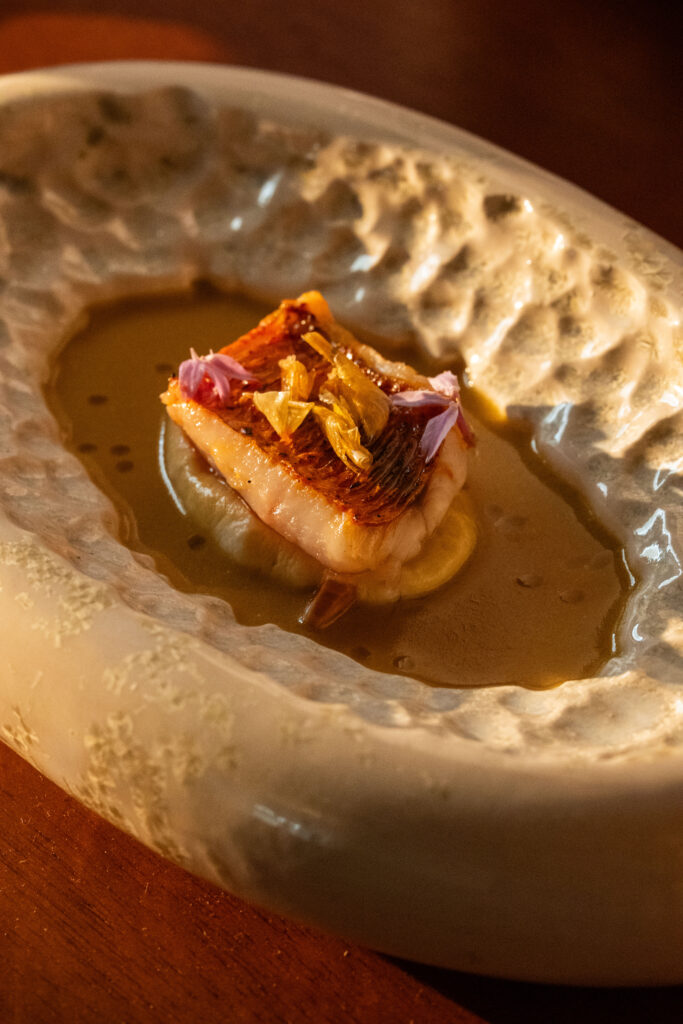
Two disciplines converge at Cauce: monumental restoration and fine dining. Chechu González’s cooking draws on Granada’s culinary tradition —its sauces, its escabeches, acidity as an organizing principle— and moves toward a contemporary language where Granada is not the backdrop: it is the starting point.
Every dish answers to a precise logic. No concessions.
The produce
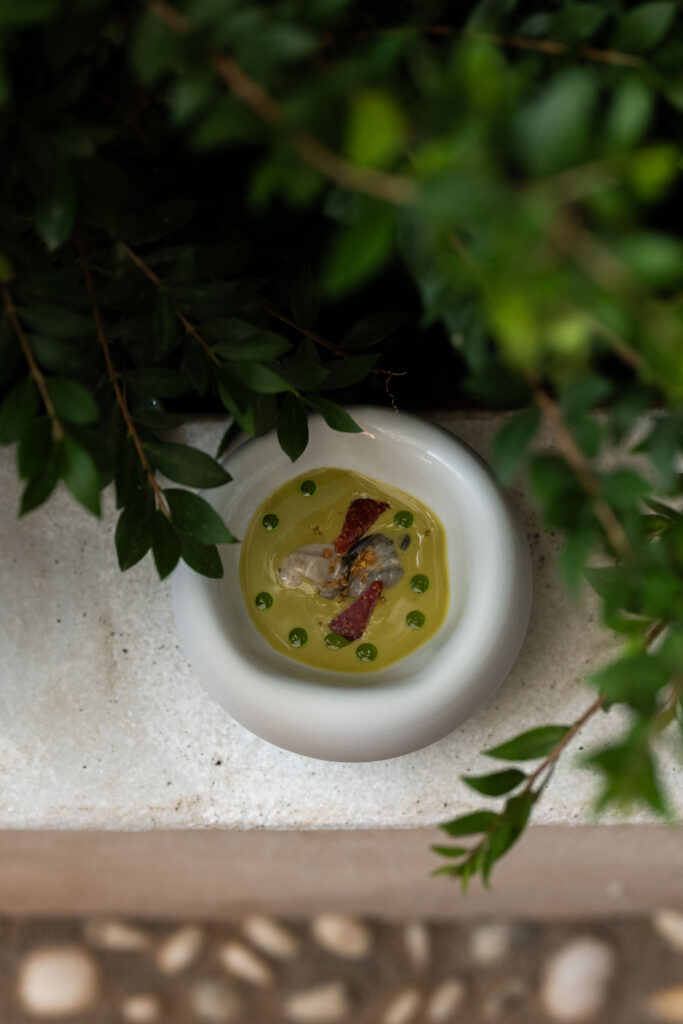
A few kilometres from the Albaicín, in the heart of Granada’s fertile plain, lies Cortijo del Alitaje. It was an Arab farmhouse in the 11th century. Today, it is ours. Much of what reaches the table at Cauce comes from there. What is planted, what is harvested, and what the season decides. The kitchen begins in the soil, not at the pass.
Everything else, we source close by: the mountains, the Alpujarra, the coast. Granada, across its different elevations.
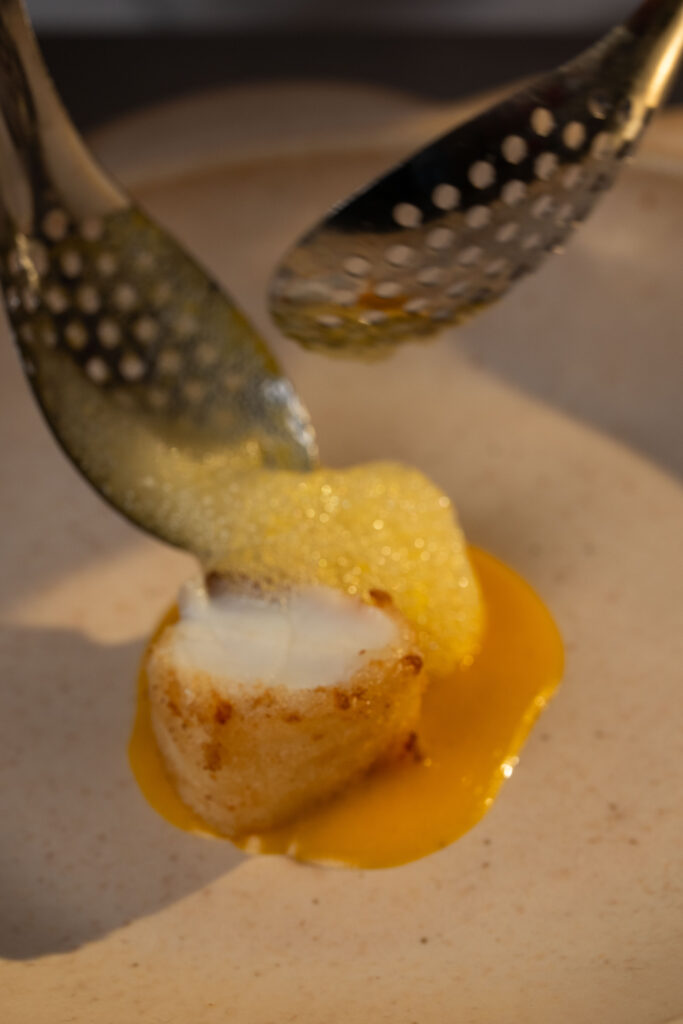
The service
At Cauce, some dishes are finished at the table. It’s the part of our work we most enjoy showing.
The dining room follows the rhythm of the menu. Each dish arrives with just enough to understand it: where it comes from, what’s in it, why it’s there. No more, no less.
Service is designed so that the food, and the space, can be fully experienced.
THE PLACE
Four buildings, one body
A 13th-century Nasrid house, an early 16th-century Morisco dwelling, an early 17th-century house, and a mid-17th-century Albayzín carmen. Four buildings that stood apart for centuries and today form a single body. Each arrived with its own memory. Each keeps it still.
The restoration
The work has been led by Dávila Restauración de Monumentos, a firm of recognized standing in the recovery of Andalusian historical heritage.
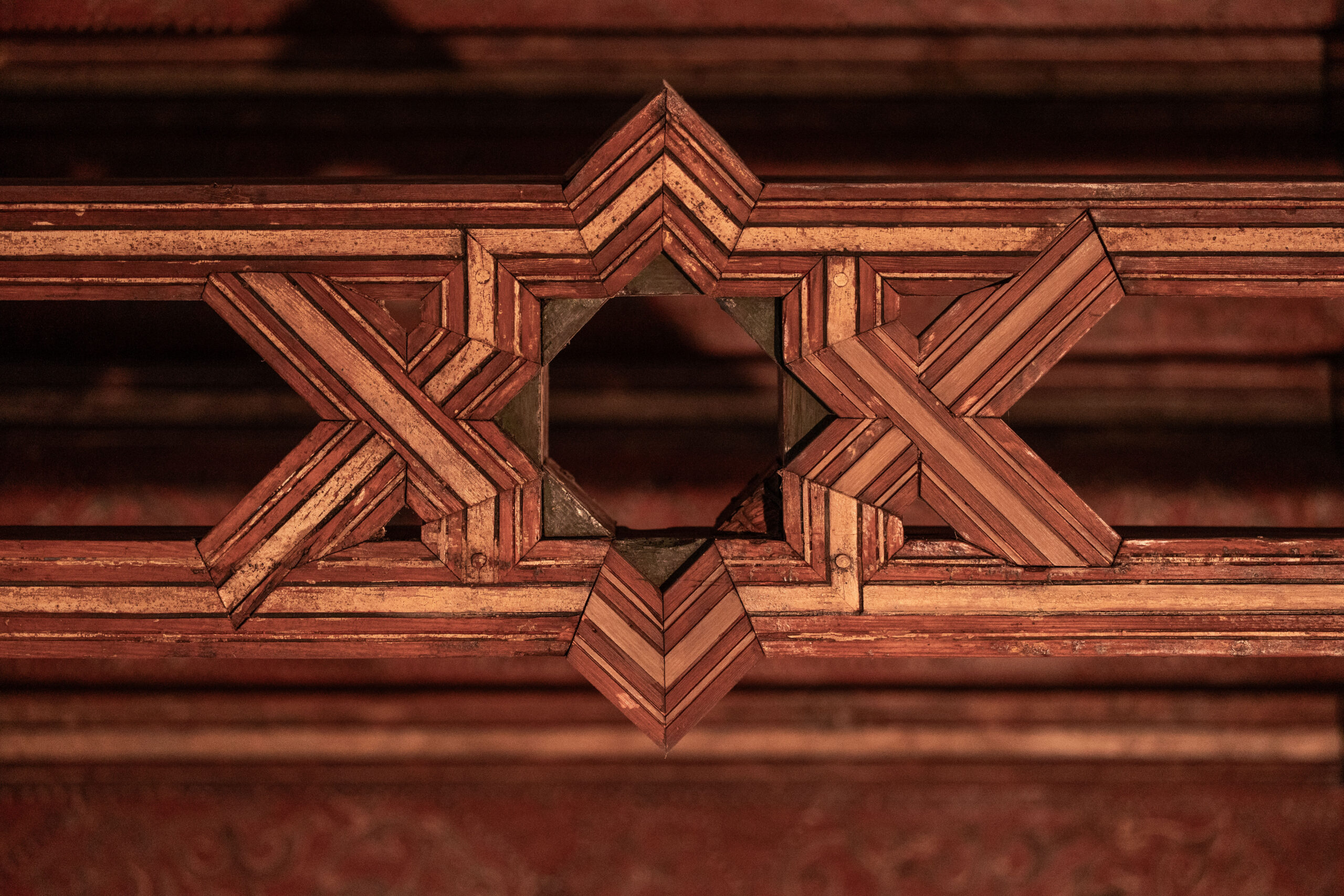
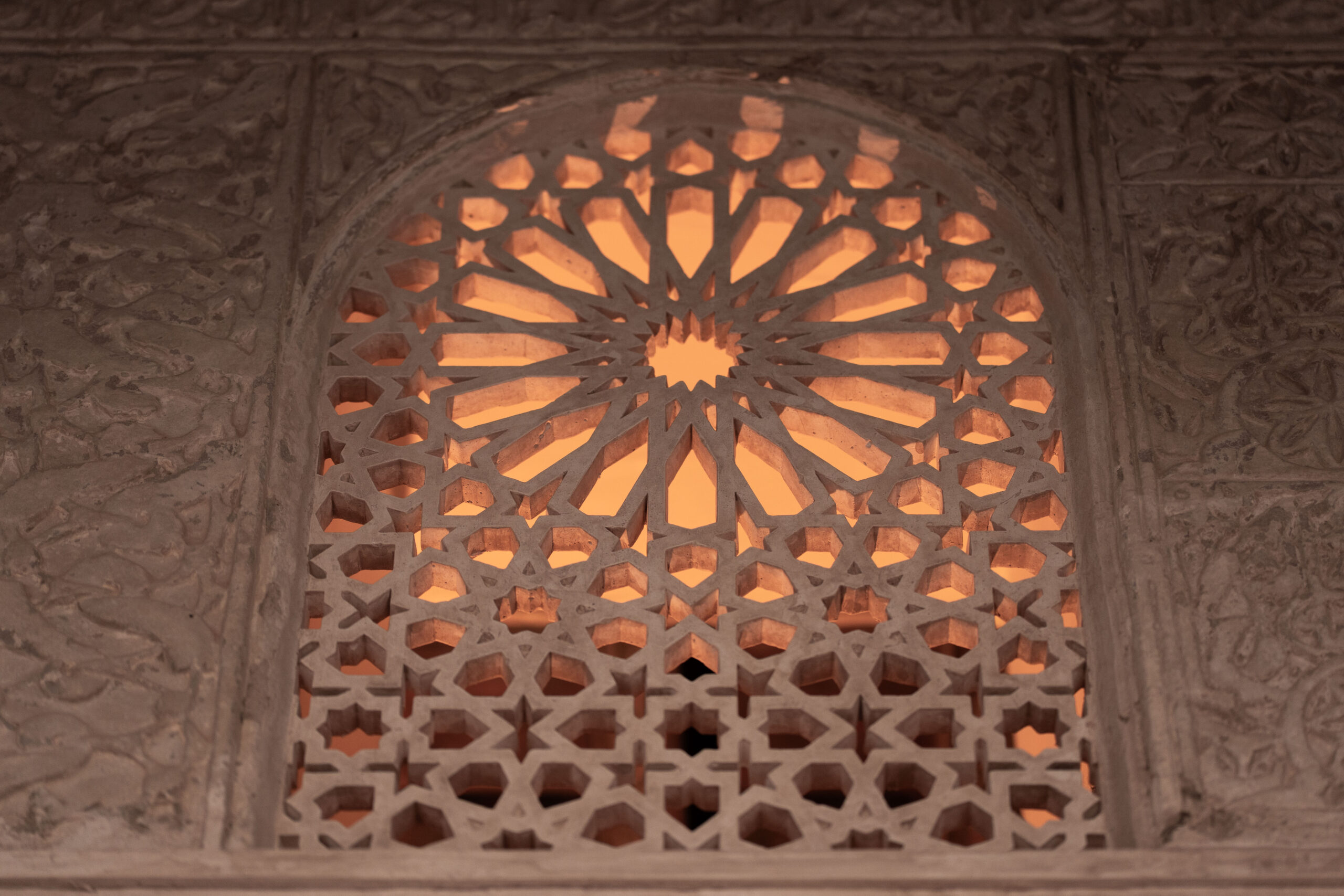
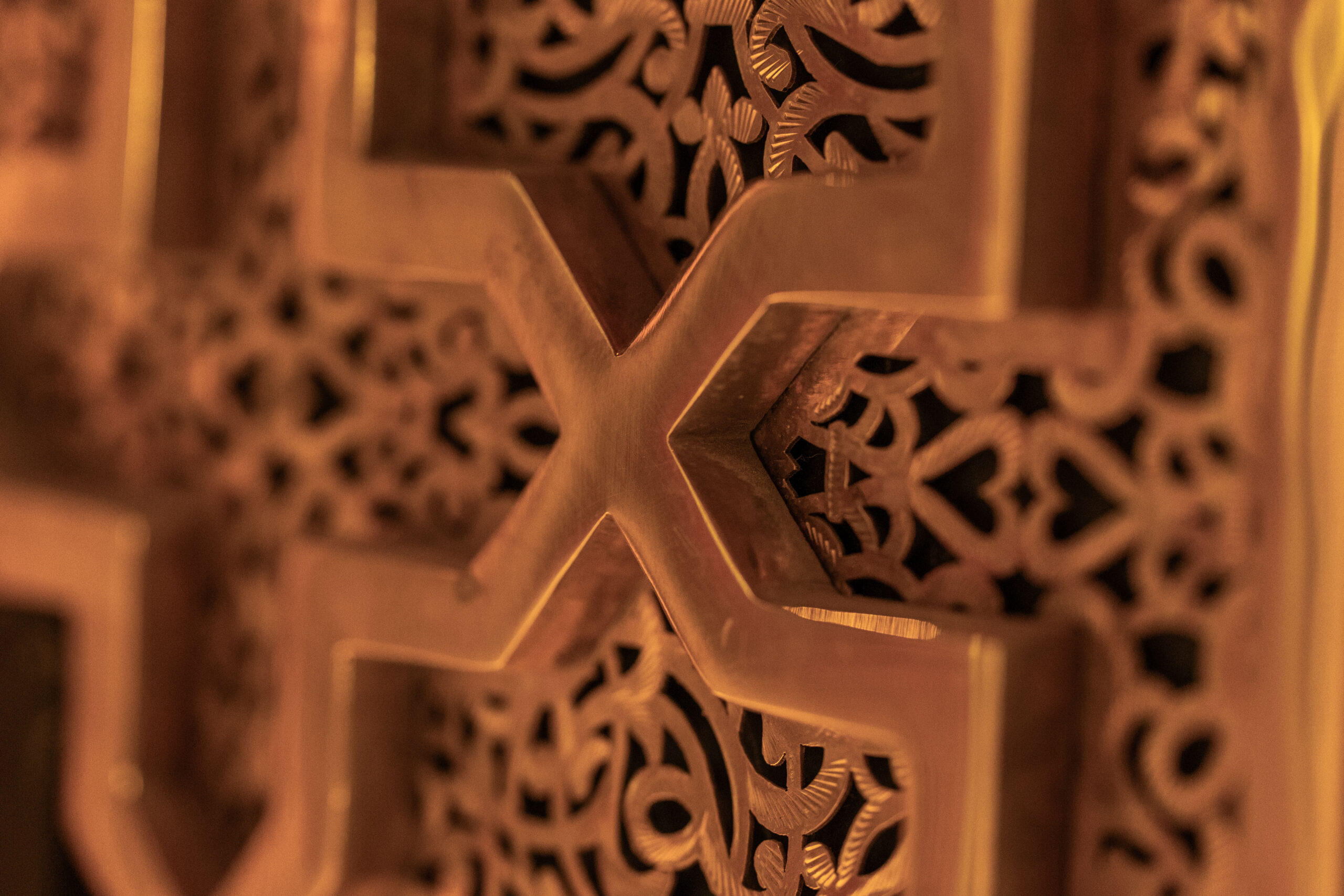
The method is artisanal and without shortcuts: element by element, piece by piece. The original plasterwork has been recovered by hand. The finishes respect the materials they were originally made with. Nothing has been replaced where it could be restored. The result is not a reconstruction: it is a restitution.
What you see is what was always there.
The courtyards, the gardens, the water
The complex is organized around historic courtyards and gardens that connect the four buildings to one another. Outdoor spaces where vegetation, stone, and water coexist in the same silence they held for centuries.
The sound of water is not a decorative detail. In Nasrid Granada, the acequias organized time and space. At Cauce, it still sounds.
A living space in the Albayzín
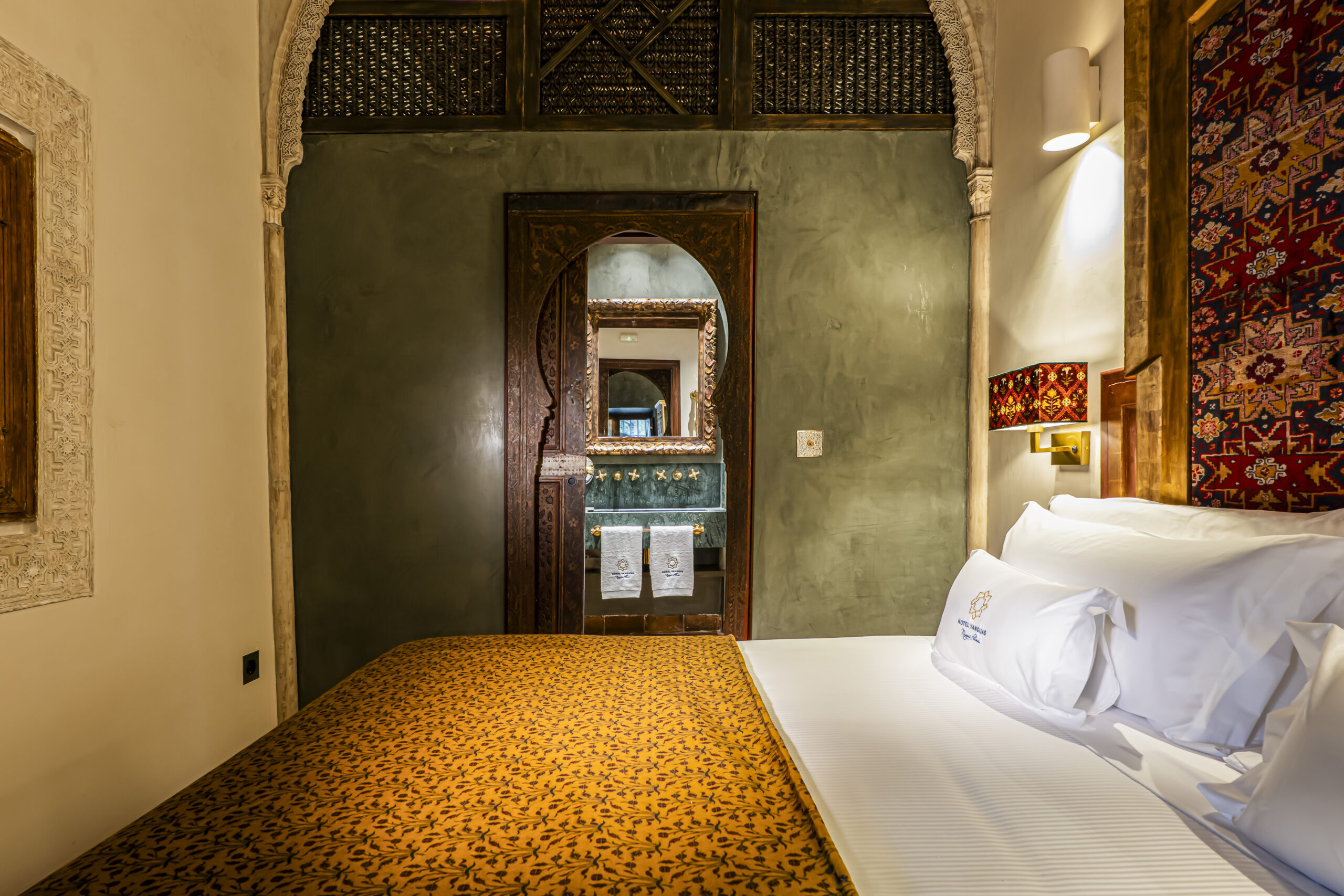
The complex sits alongside Hotel Yanguas Nazarí Palace, Granada’s only five-star monumental hotel, in the heart of the Albayzín, a UNESCO World Heritage neighborhood. A neighborhood that carries as many historical layers as the buildings that make it up.
Cauce is part of those layers. It does not observe them from outside.